Why Sustainable Air Handling Is Becoming More Important
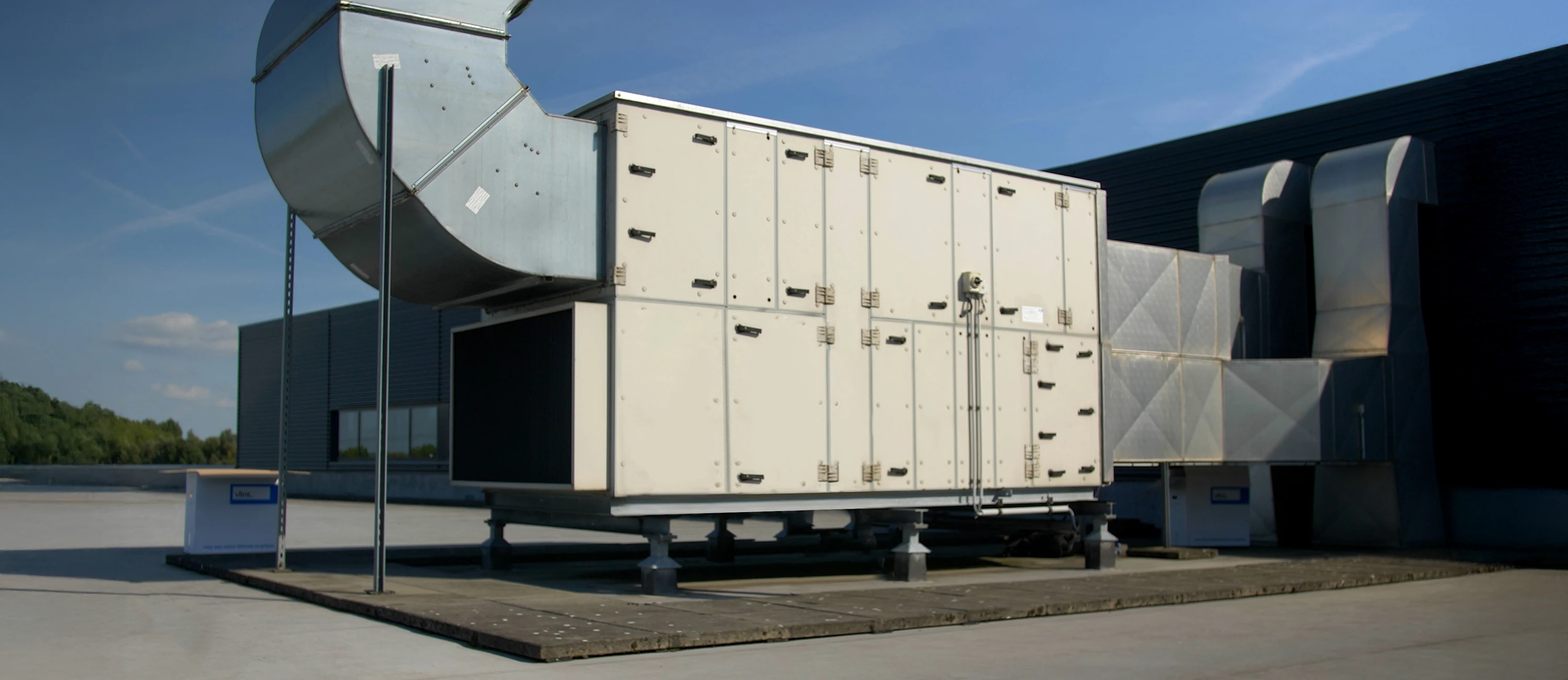
At Vlint, we help organisations achieve their sustainability goals by upgrading existing air handling units (AHUs). This is an efficient way to reduce energy consumption, extend the service life of installations and lower the carbon footprint of buildings and industrial processes.
The Impact of Air Handling on Energy Consumption and CO₂ Emissions
Did you know that air handling systems can account for up to 50% of a building's total energy consumption? Many commercial buildings and industrial facilities still operate outdated air handling units. These systems:
- Consume unnecessary amounts of energy
- Generate high CO₂ emissions
- Often provide poor air distribution and indoor comfort
Replace or Upgrade Your Air Handling Unit?
Replacing an entire air handling unit may seem like the only solution, but it is an expensive and disruptive process. Purchasing a new unit requires a significant investment, and installation can take several weeks, often forcing parts of a building or production facility to shut down temporarily. In addition, manufacturing, transporting and installing a completely new system creates a considerable carbon footprint.
Why upgrading is the smarter choice:
De CO₂-vriendelijke verduurzamingsaanpak van Vlint
Vlint heeft een bewezen aanpak ontwikkeld voor het verduurzamen van luchtbehandelingskasten in zowel utiliteit als industrie. Daarbij kijken we niet alleen naar energiebesparing, maar ook naar veiligheid, betrouwbaarheid en wet- en regelgeving.
Onze specialisten zijn VCA-gecertificeerd en nemen het volledige traject uit handen: van analyse tot oplevering en rapportage. Daarbij minimaliseren we ook onze eigen CO₂-impact tijdens het proces.
Upgrading an Air Handling Unit in 6 Steps
1. Analysis and Upgrade Proposal
We analyse your existing air handling unit, assess its energy consumption, identify improvement opportunities and calculate the potential savings. You'll receive a clear proposal including the expected payback period.
2. Upgrade Implementation
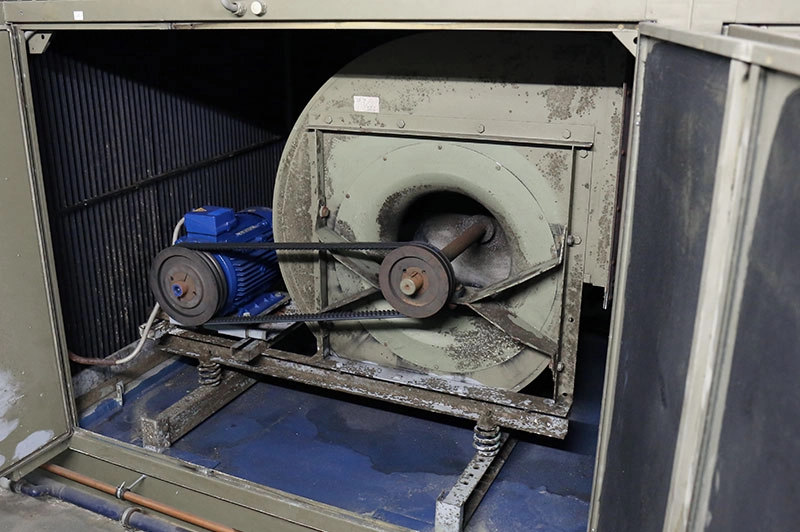
Outdated components such as motors and fan housings are removed. Where required, we also modify ductwork and optimise air distribution.
3. Refurbishment of the Air Handling Unit
The unit is thoroughly cleaned, repaired and restored to optimal technical condition.
4. Installation of Smart EC Fans
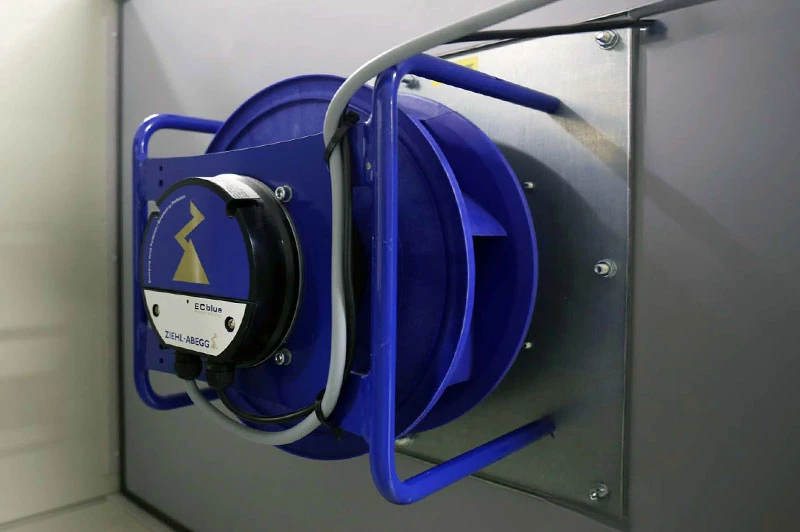
Traditional motors are replaced with energy-efficient EC fans, which use up to 30% less energy and integrate easily with Building Management Systems (BMS).
5. Installation of Energy-Efficient Air Filters
Low-pressure-drop air filters optimise airflow, reduce pressure loss and can deliver energy savings of up to 68.9%, while improving indoor air quality.
6. Completion and Reporting
Choose Sustainable Air Handling with Vlint
Upgrading your air handling unit is a smart, future-proof investment. Want to know what it could mean for your building or industrial process? Contact Vlint for a clear upgrade proposal.
Smart EC Fans and Efficient Air Distribution
The most important part of an energy-efficient air handling system is replacing outdated motors or fans with modern EC fans. These fans not only consume significantly less energy but also integrate seamlessly with Building Management Systems (BMS). Their intelligent controls allow airflow to be adjusted precisely to actual demand, ensuring energy is used only when needed. This has a major impact on the building's overall energy consumption.
Energy-Efficient Air Filters: Essential for Sustainable Air Handling
Besides the fans, air filters have a significant impact on the energy consumption of an air handling unit. The lower the airflow resistance, the less energy is required to move air through the filter. Energy-efficient air filters are designed to provide:
Sustainable Air Handling for Industry
Industrial companies can benefit from various subsidy schemes, including ISDE, SDE++ and DEI+. These incentives make investing in energy-efficient air handling systems, cleaner and safer production processes, and lower CO₂ emissions more financially attractive. Vlint supports customers with both the technical implementation and identifying suitable funding opportunities.
Frequently Asked Questions About Upgrading Air Handling Units
What are the benefits of upgrading an air handling unit?
Lower energy consumption, reduced CO₂ emissions, improved indoor air quality and lower maintenance costs.
Is upgrading cheaper than replacing?
Yes. In most cases, upgrading is significantly more affordable and faster, while causing much less disruption to business operations.
Which sectors benefit most?
Commercial buildings (offices, hospitals and schools) as well as industrial sectors including food processing, pharmaceuticals, chemicals and cleanrooms.