
Flexible BFM fittings for industry
In many bulk handling and powder processing operations, the problem is not the machine itself, but the connection between machines. Many installations still rely on hose clamps and traditional couplings. It works, but it takes time and leaves room for errors. Connections that never seal properly. Dust slowly escaping. Increasing product loss. And every maintenance or cleaning cycle comes with the same hassle. While there is a much simpler solution.
With flexible BFM fittings, you solve these issues. You create connections that can be changed in 30 seconds, are leak-free and resistant to movement, pressure and vibration. No tools required. No fiddling around. Just a perfect airtight connection every time.
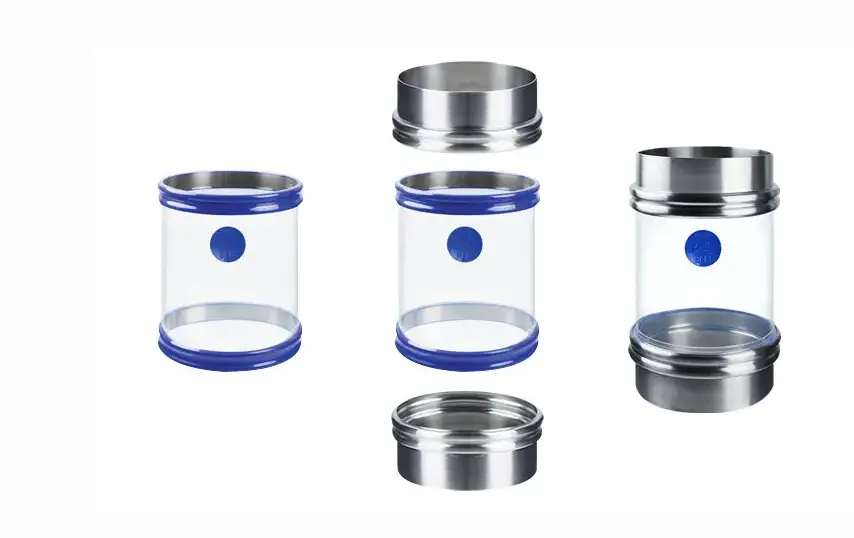
What are flexible fittings?
BFM fittings are flexible connectors with a snap-fit system. You click the connector into two adapters. within seconds. No hose clamps, no tools and no struggling in places where you would rather not put your hands.
But it is more than just a connector. You work with a complete system. From connectors and blanking caps to venting and containment solutions. So you are not simply choosing a sleeve, but a solution designed around what actually happens in your process.
Why companies worldwide are switching to BFM fittings?
What may look like a small change on paper makes a major difference in practice. Fewer manual operations, fewer errors and, above all, more control over your process. The benefits are especially noticeable during maintenance and cleaning. Where you would normally spend time disconnecting and reattaching fittings, you can now work quickly and without hassle. At the same time, you reduce leakage and dust emissions, keeping the working environment cleaner and reducing product loss. Even under movement, pressure or vibration, the connection remains reliable. The fitting moves with the system without coming loose or deforming. This gives you greater process stability and helps prevent unexpected downtime.
Where are flexible fittings used?
You will find them in applications where standard couplings fall short. Anywhere there is movement within the installation, pressure fluctuations or difficult-to-control product flows. Think of sieving and vibrating equipment, dosing systems and feeders, transitions on silos and hoppers, or connections around rotary valves. They are also ideal for inspection points or metal detection systems where connections need to be opened and closed quickly without shutting down the entire process.
Which applications are they suitable for?
BFM fittings are mainly used in processes where reliability is critical. For example, in pressure and vacuum systems where even a small leak has an immediate impact. In CIP environments where cleanability and material performance are essential. Or in installations handling fine powders, where dust control and safety play a major role. They are also widely used in ATEX-rated environments because the connection itself is a critical component.
Industries where they are commonly used
Standards, safety and compliance
Depending on the version, BFM fittings comply with relevant standards for food safety and industrial applications. This includes European food contact regulations, FDA guidelines and 3-A certification. For applications requiring explosion protection, versions are available that are suitable for use in ATEX environments. The applicable certifications vary by product and material. You can always find this information on the relevant product page.
What types of flexible fittings are available?
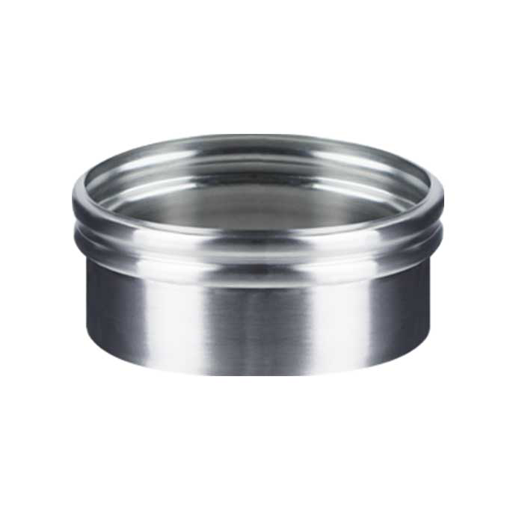
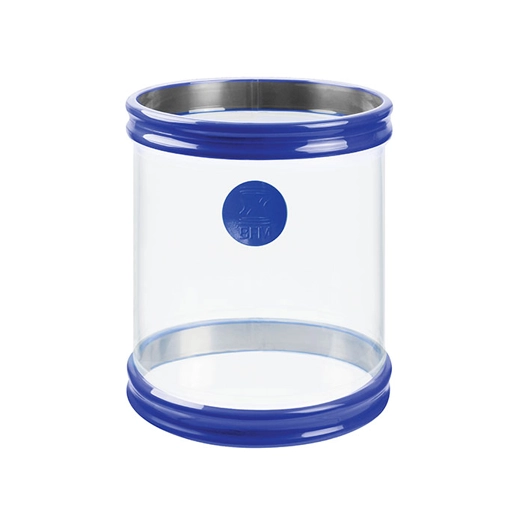
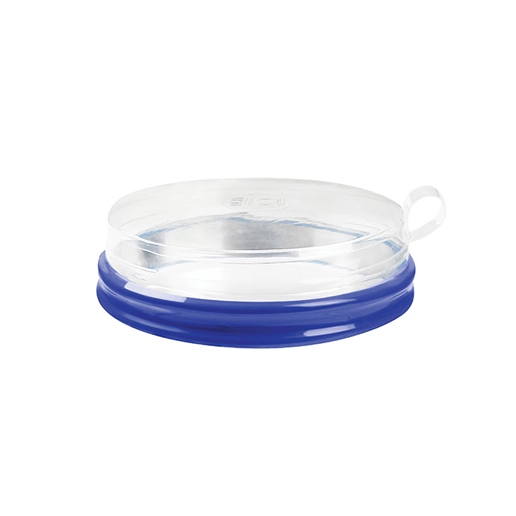
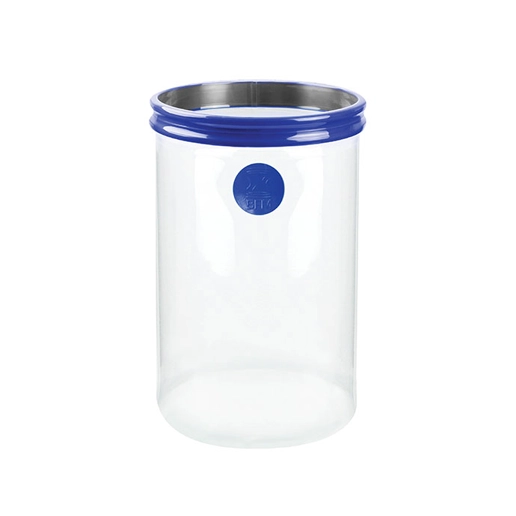
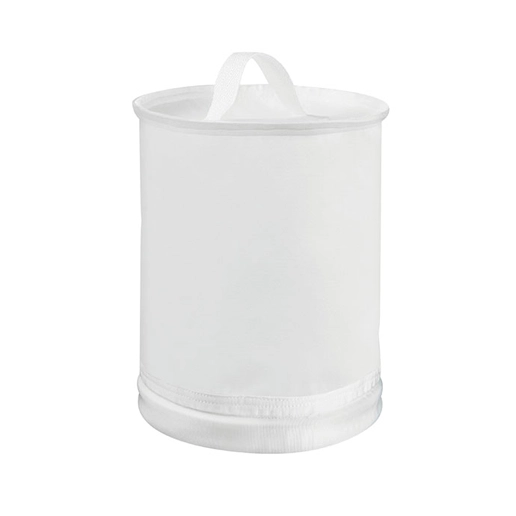
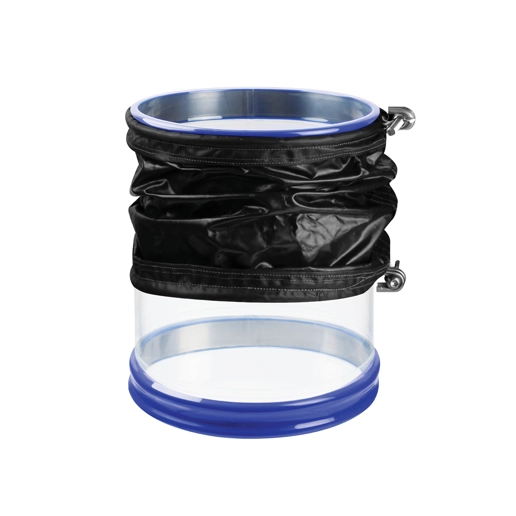
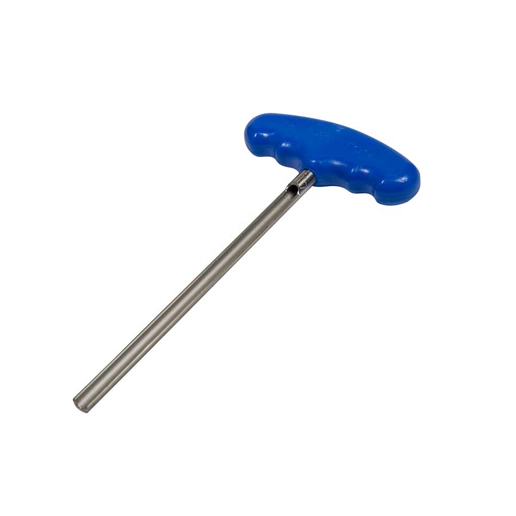
How to choose the right solution
Choosing the right solution starts with your process, not the sleeve itself. First, look at what is happening in your system. Are you dealing with vibration, movement or pressure differences? Then consider the product you are handling. Fine powders require a different approach than coarse or abrasive materials. And perhaps most importantly: what are you trying to prevent? Downtime, contamination, product loss or unsafe working conditions. Once you have a clear understanding of that, the right direction usually becomes obvious.
Want to explore material options and configurations in more detail? The connectors page provides a comprehensive overview of the available options and when to use them.
Quickly determine the correct size
A BFM fitting only performs properly when the distance between the adapters is correct. This is known as the installation gap. If the gap is too small, the connector will not fit correctly. If it is too large, unnecessary tension is placed on the material, reducing service life. The BFM Installation Gap Calculator makes it easy to determine the correct size. If you are unsure, it is best to review it together.
Ready to eliminate leaks and hassle?
Still using hose clamps or temporary solutions? Then there is a good chance you are losing valuable time and increasing the risk of leakage or contamination. Explore the range of flexible fittings or contact us. We will help you find a connection solution that truly fits your process.